June 2025 Art & Design IGCSE – Top in Spain
Art & Design IGCSE is an examination for year 11s that involves two components: an 8 page portfolio on a theme of the candidate’s choice with a final piece, and a 4 page portfolio with a timed final piece.
In this page, I am presenting my first portfolio, titled:
BIOMECHANICS
‘Biomechanics’ is a project that investigates the definition of ‘human’ and its boundaries.
In the context of rapid technological advancements, our identity as humans is being challenged. Artificial intelligence is able to replicate human intelligence through brain-like systems such as neural networks and deep learning. At what moment does a machine become human (and vice versa)? Is the transition physical, spiritual, or electrical?
The answer may lie in emotion, empathy, and experience.
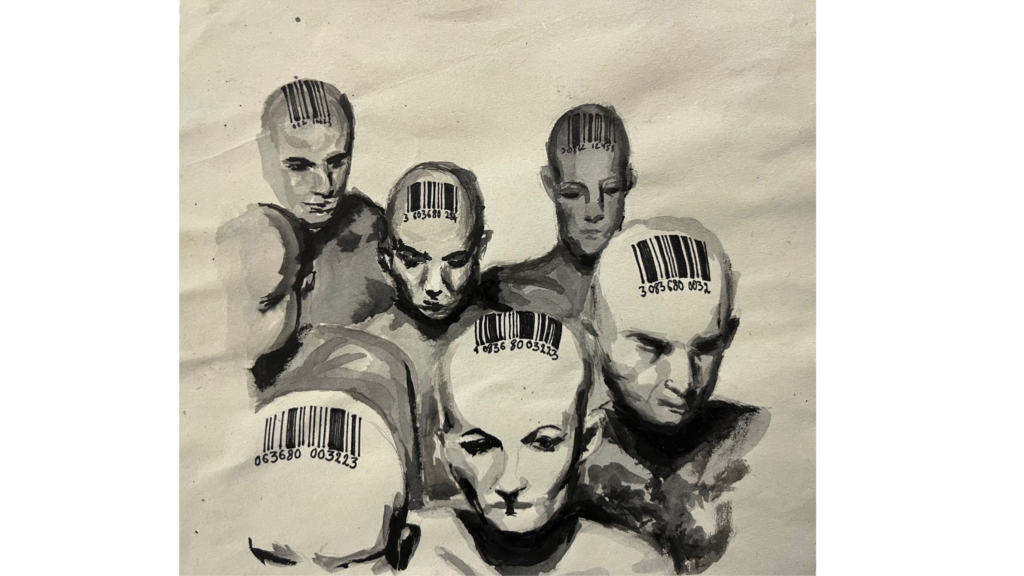
The eye as a symbol for humanity
The eye is the vessel through which we experience the world and express ourselves. Emotion, personality and experience can all be seen through someone’s eyes. Eyes alone are a two-way human interaction.
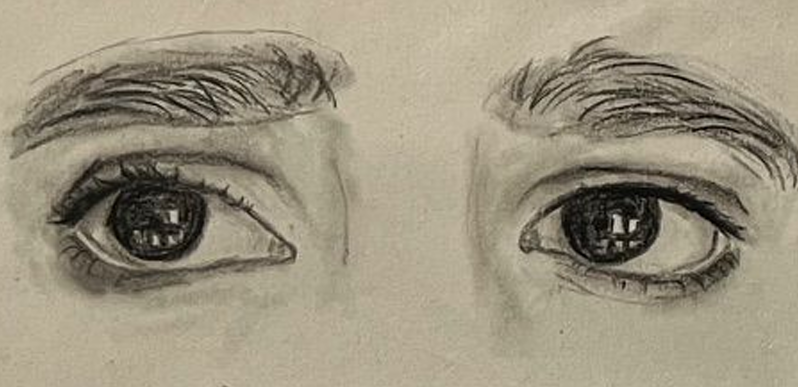
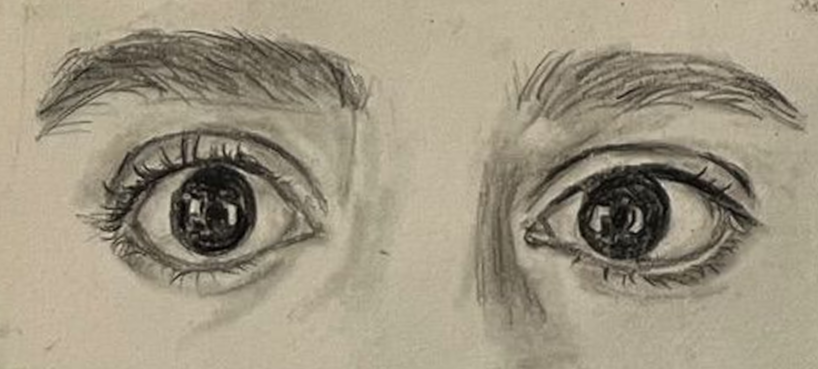
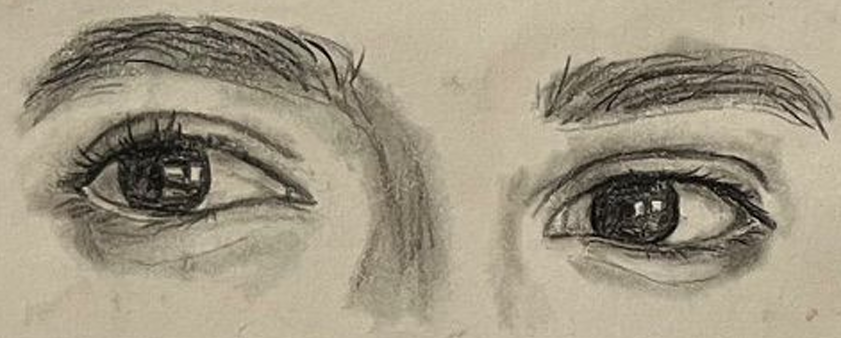
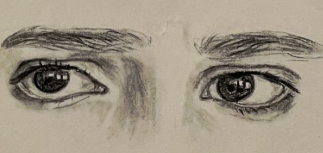
Electrical gaze
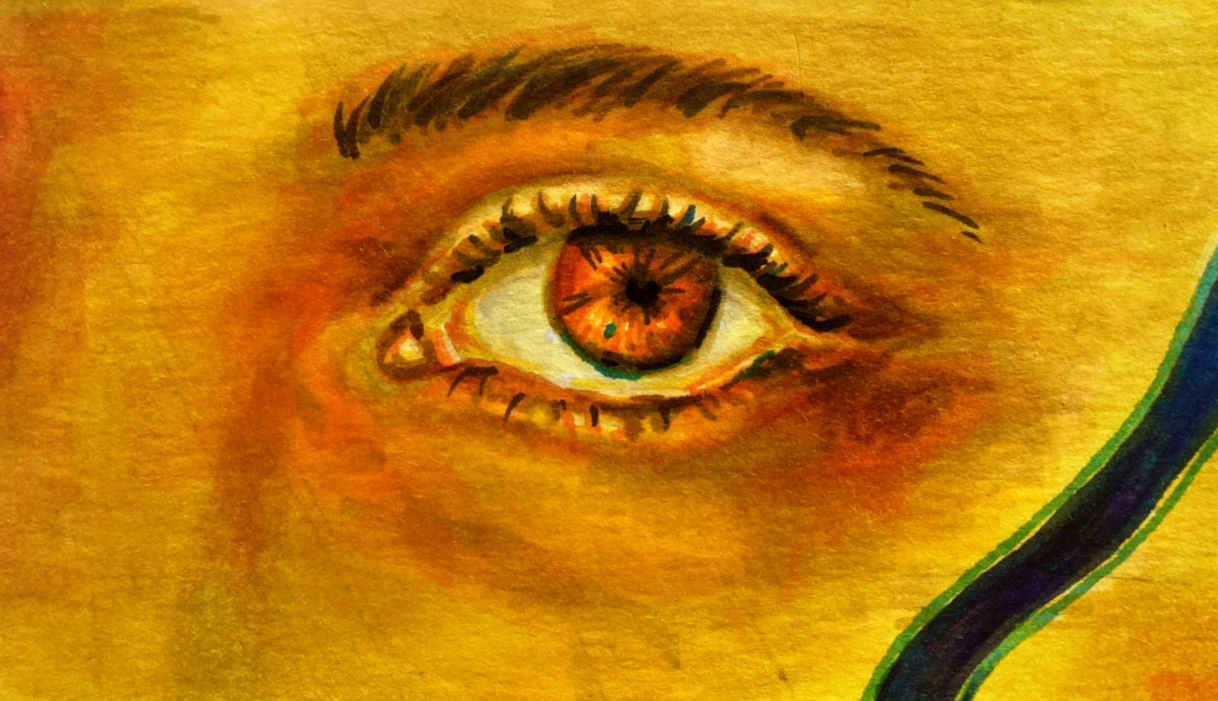
All these drawings copy my own eyes and expressions.
This marker drawing uses vibrant colours as if looking at a computer screen.
The physical fusion
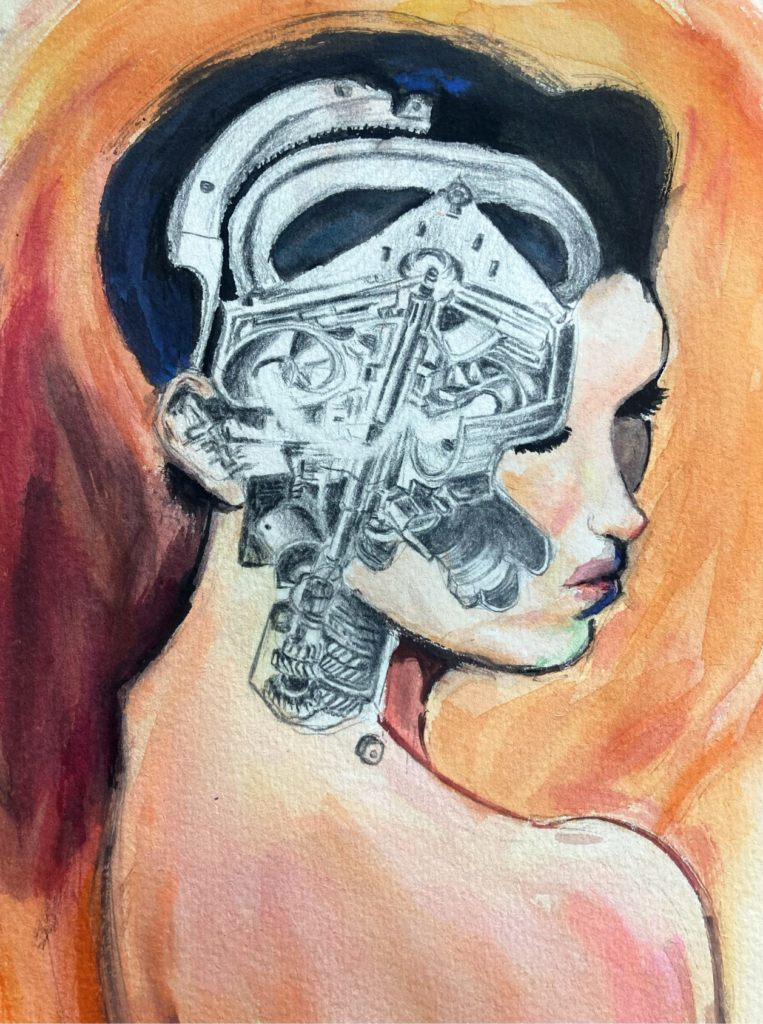
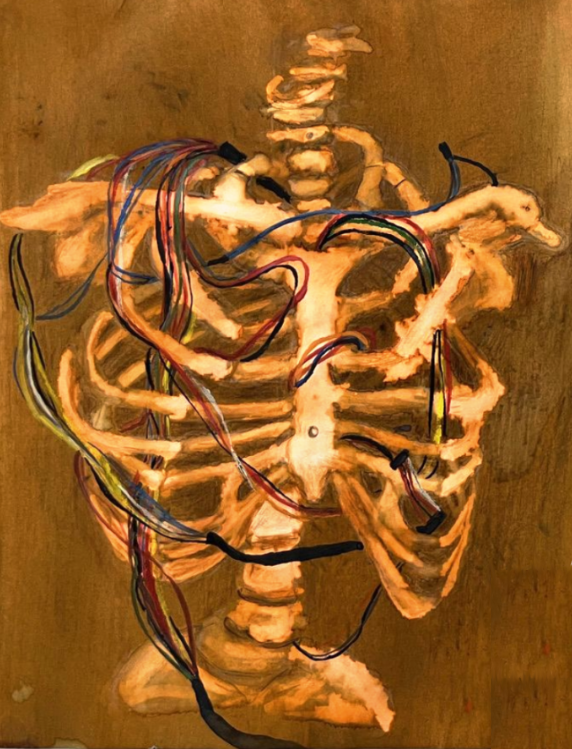
Mechanics and wires
Inspired by Spanish artist Fernando Vicente, I drew a woman with a mechanical brain. It challenges our perception of the world and how comfortable we are calling ourselves human.
I also did a piece with skeletons and wires. Inside our brains, neurons communicate through electrical signals. Wires in computers also transmit data through electricity. Is consciousness produced by electricity? Could our neural system be replaced by wires?
Symbiosis with wires
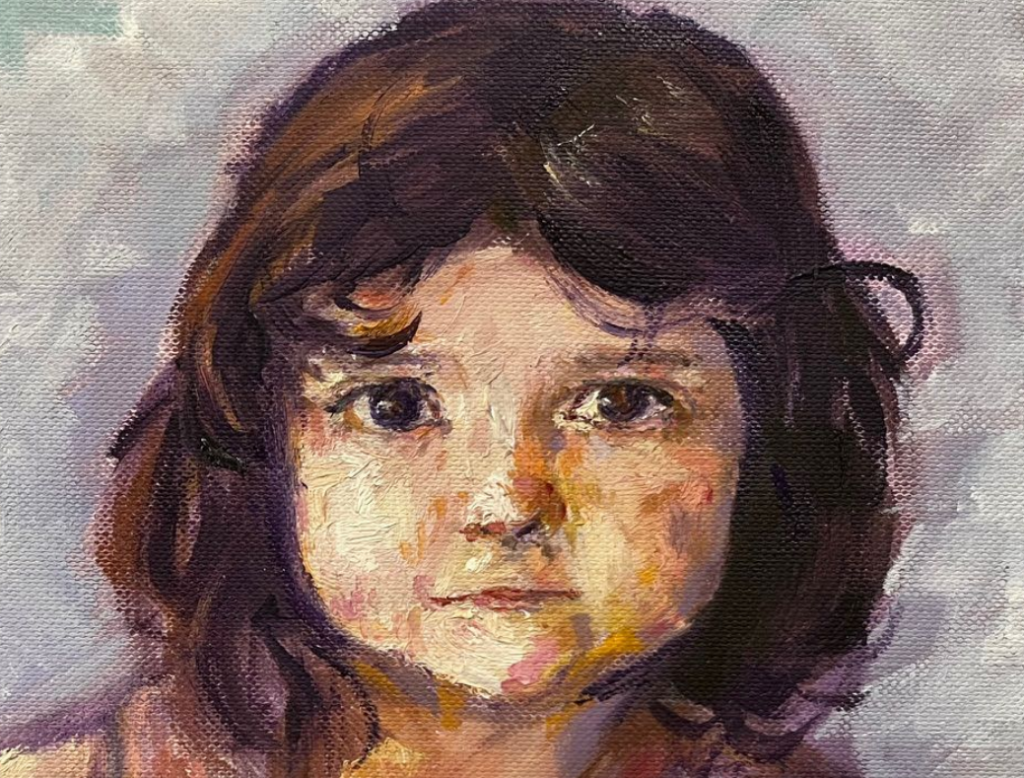
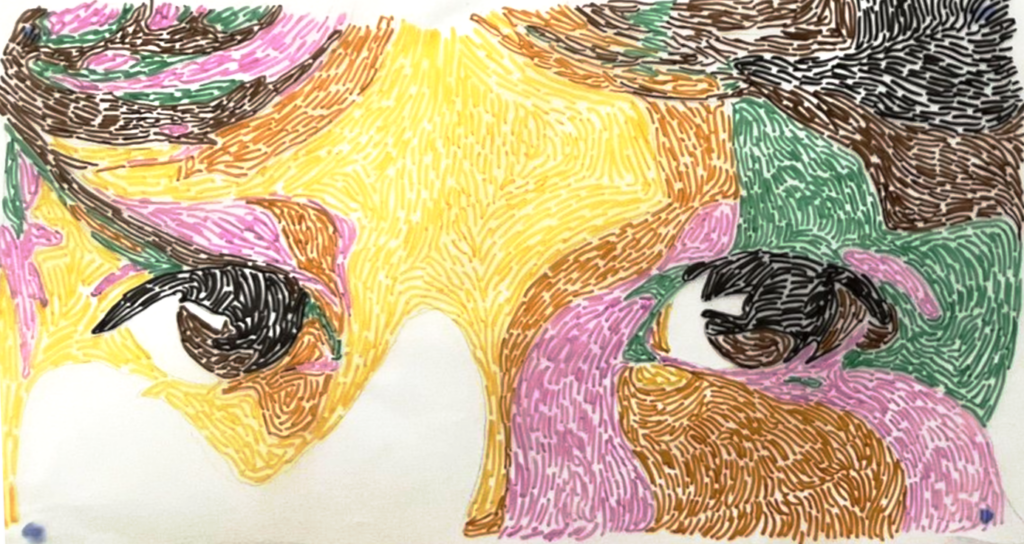
The artwork depicts something purely human – a child’s eyes, renderred using real wires.
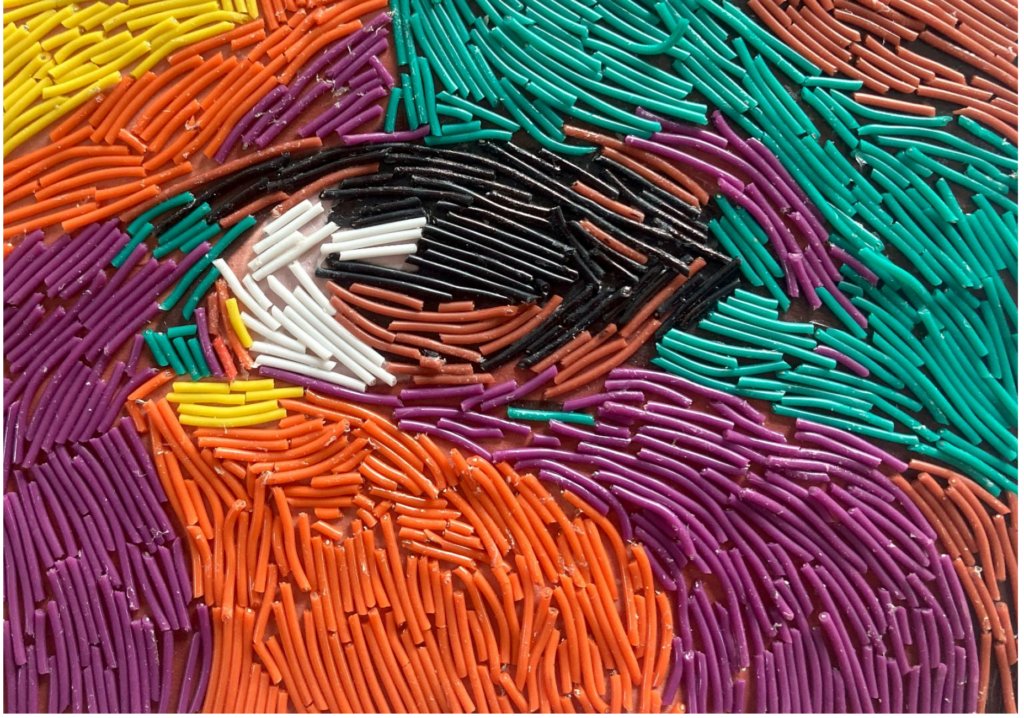
How I made this
From a picture of myself as a child, I painted myself focusing on the human expression and the eyes.
Then, I digitally vectorised the artwork (cropped to show only the eyes) and drew it using impressionist lines inspired by Van Gogh. The colours I chose were the same as the colours of the wires I owned to make the transition easier.
I then stuck small pieces of wires onto paper, following the guidelines of the other drawing.
Singularity – the final piece
When drafting my final piece, I started off imagining a portrait using only wires or vibrant colours.
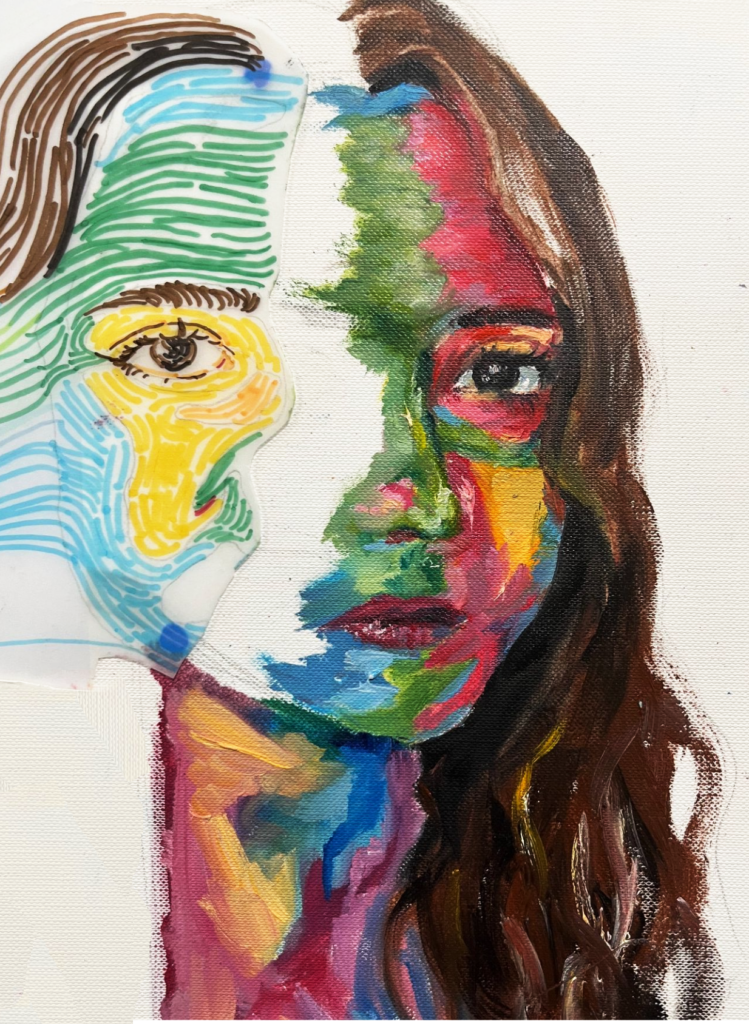
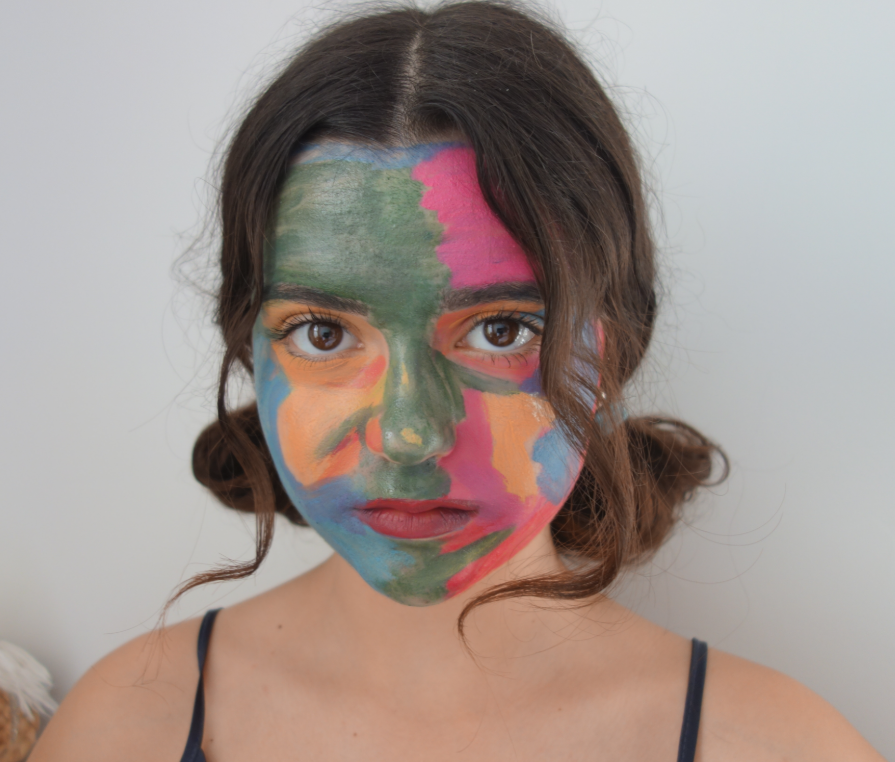
However, I realised that this did not emphasise humanity enough. I wanted a piece that felt authentically human.
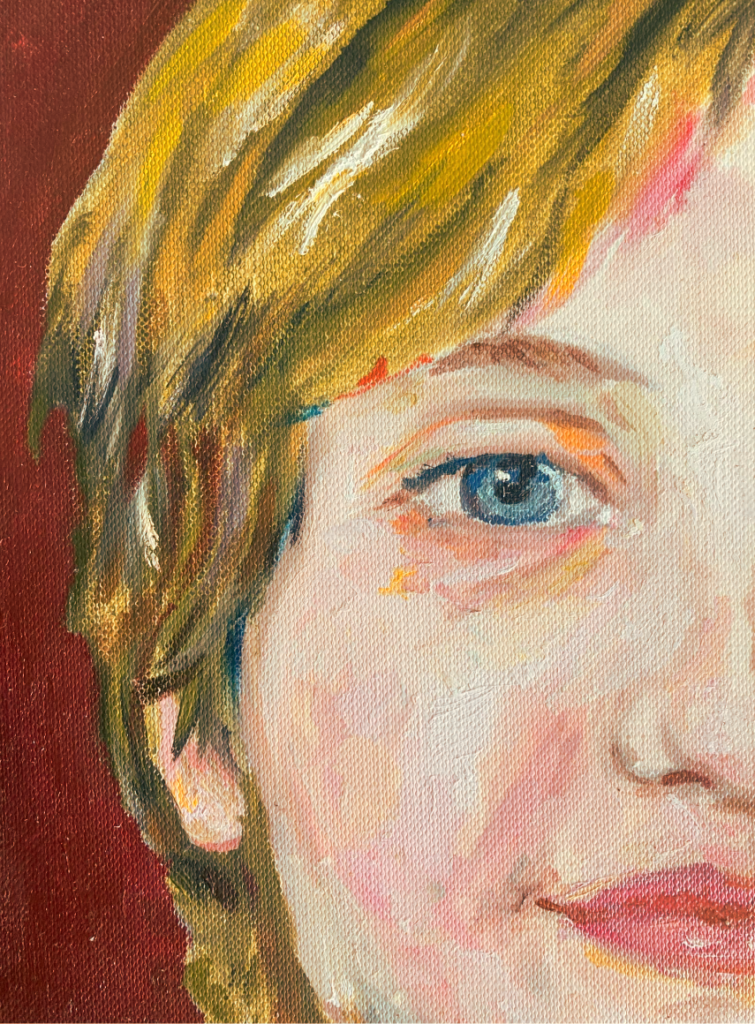
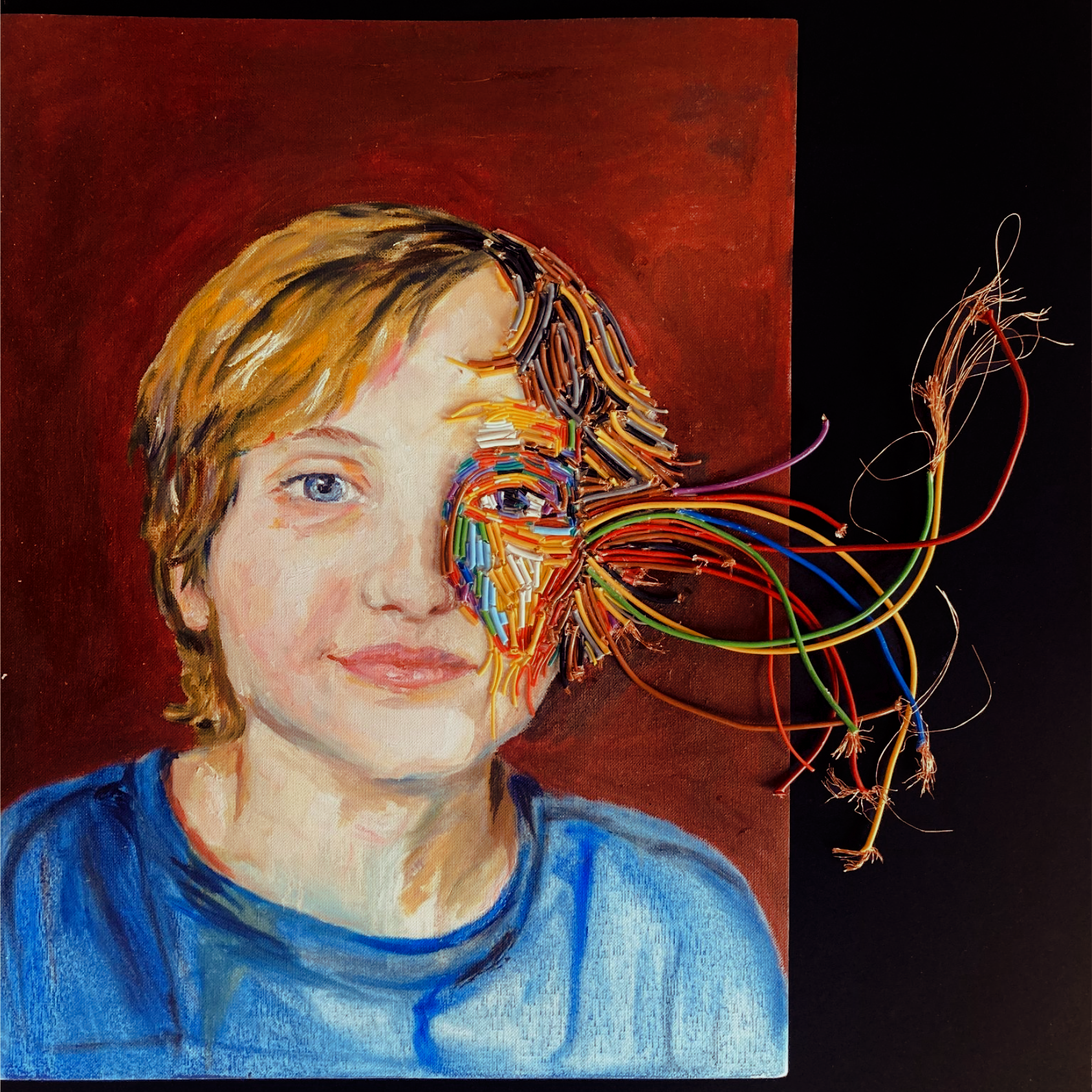
Therefore, I decided on an oil painting of my 10 year old brother.
His expression is calm and his eyes are soft, however they transmit something only a human could truly feel.
The other half of his face is made using wires. They spread, expand and extend themselves – as if alive, reaching out of his face onto the border of the piece.
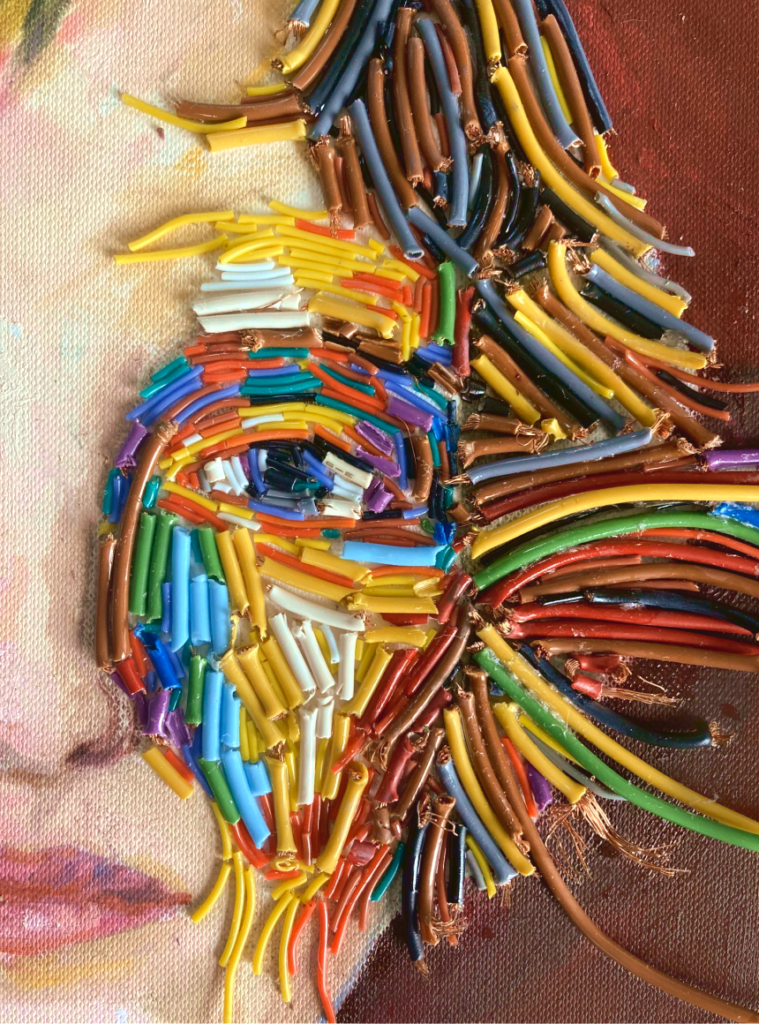
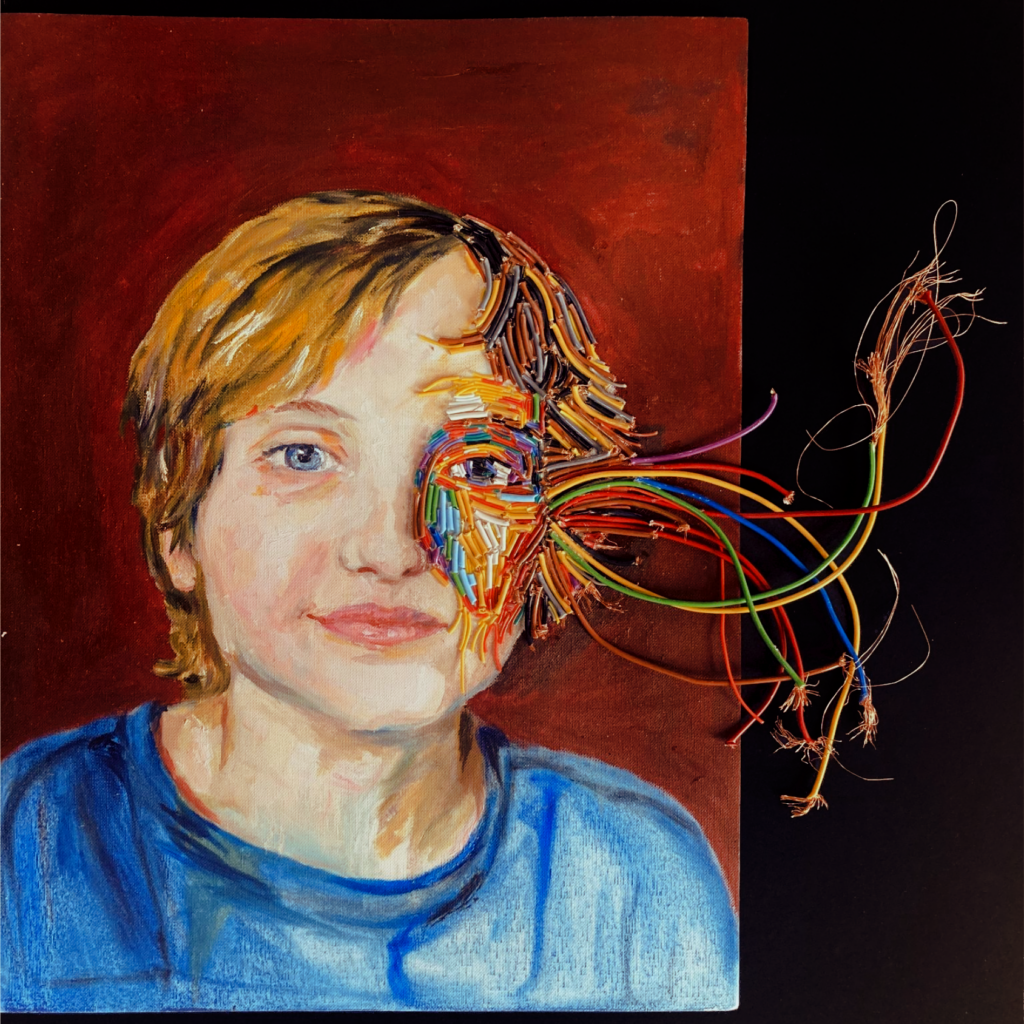
We don’t see the mechanisms of the machine, but we know he or it is not entirely human – or maybe they are? They appear to be conscious and are transmitting a human gaze.
The transition has been done. Through this depiction of the android without disclosing its inner mechanisms, the boundary between human and machine is unclear. Is there a brain or a computer in them? Is their being mechanical? Are they a replication of human consciouness or can they truly feel? If they are conscious, then is their mind digital, physical or spiritual?
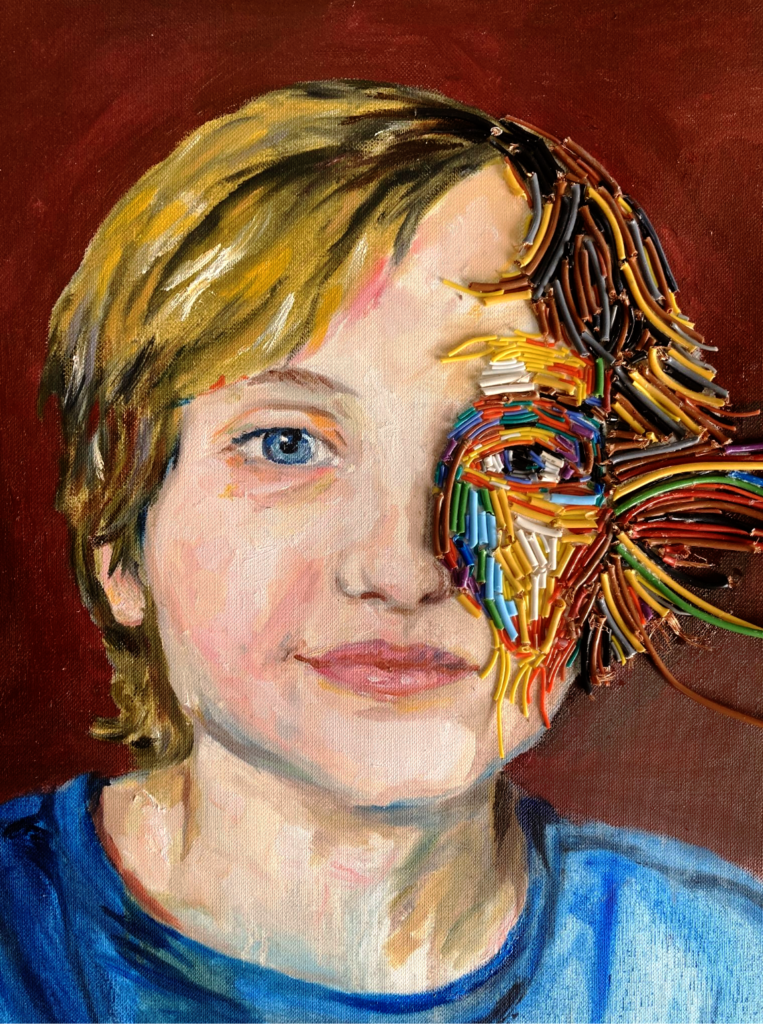
Ultimately, ‘biomechanics’ invites the viewer to challenge their reality, the way they view machines and the way they view themselves.
We may just be artificial intelligence ourselves.